Boron in glass and glass fibers
Using highly refined product from a reliable borate supplier, such as U.S. Borax, is key to glass manufacturing process stability. We offer a range of packaging methods and particle sizes that meet narrow specifications, enabling uniform raw material distribution in your mix. And, rigid quality standards ensure you receive borates free of impurities.
As a result, you get a homogenized mix, eliminating heating imbalances and other processing issues. Consistency like this is paramount, lowering the risk of defects in your products and costly rejects.
Energy efficiency and sustainability is top of mind for many glass manufacturers, areas where we can help you improve. Sourcing from U.S. Borax means partnering with a supplier who invested in reducing emissions and empowering a more environmentally friendly glass industry.



Benefits of boron in glass: Durability, strength, unmatched clarity
Borates are well-known for imparting these benefits:
Enhanced durability
Increased thermal, chemical, and impact resistance
Electrical neutrality
Better optical properties
Infrared absorption
Aqueous durability
Boric oxide: Essential to efficient glass manufacturing
Adding the right concentration of boric oxide or other borates to your batch gives you greater process control.
Borates play a central role, acting as both a flux and network former during production. They improve energy efficiency by significantly lowering melting temperatures and inhibiting crystallization of glass. Lowering viscosity, resisting thermal shock, and curbing devitrification are also important borate characteristics—enabling your products to withstand harmful conditions.
When used to produce glass fibers, boric oxide aids in the development of strong fibers, at various micron sizes.
Learn more about how borates improve glass manufacturing.
Key manufacturing benefits:
Controls thermal expansion
Aids fiberizing process
Lowers viscosity
Controls thermal expansion
Inhibits devitrification
Enables control of dielectric properties
Borosilicate glass
With so many diverse borosilicate glass applications, you must pinpoint a concentration to match the qualities you’re looking for in your specific product. Whether that’s heat resistance, aqueous durability, chemical resistance, mechanical strength, electrical neutrality, or superior optical properties, we can help your borate concentration meet your specification requirements. Because of the multi-functional benefits boron oxide brings to glass, boron trioxide (B2O3) is commonly incorporated into a variety of glass applications, ranging from innovative academic research to century-long glass applications.
Pharmaceutical glass
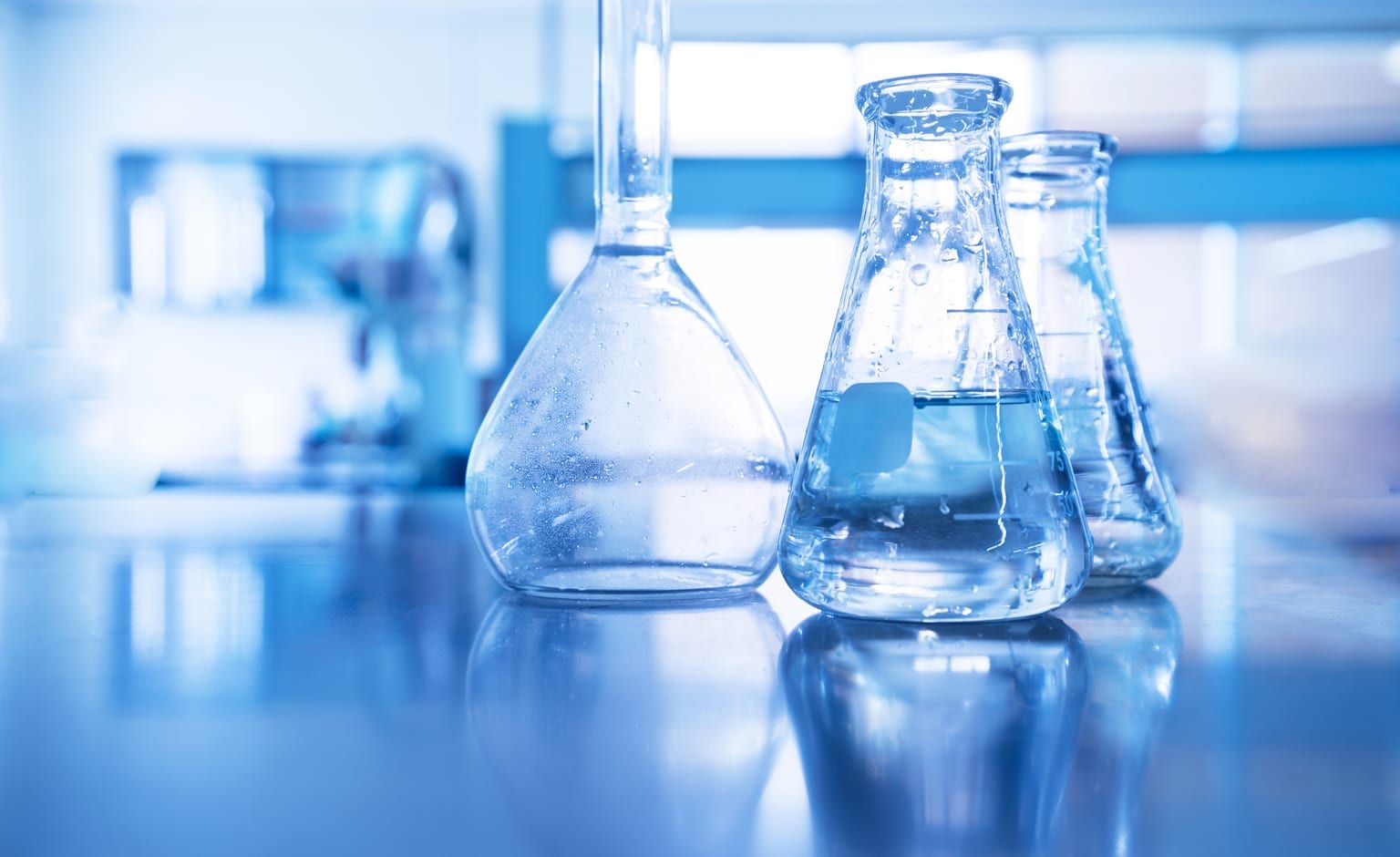
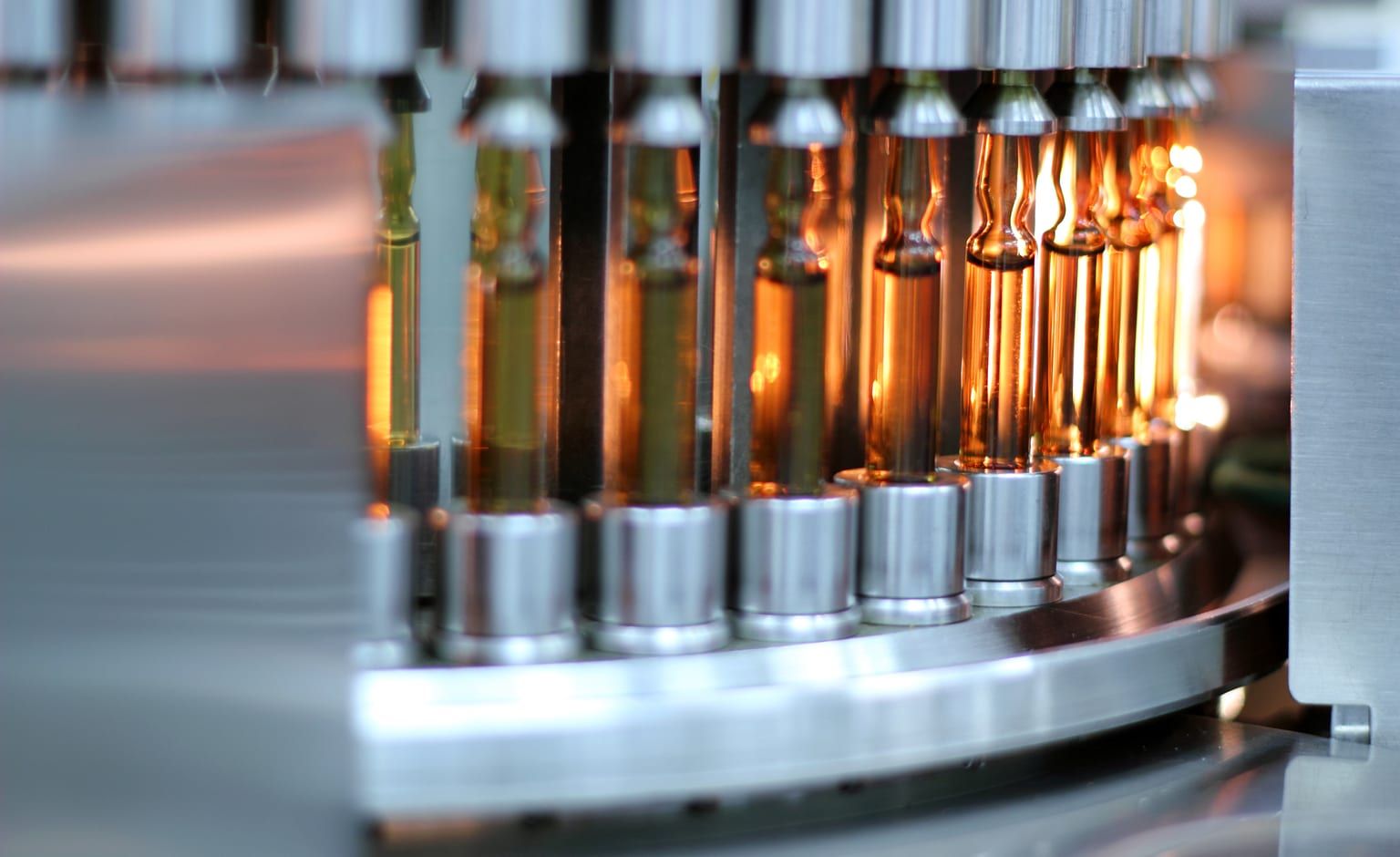
Borosilicate glass has been used in pharmaceutical packaging for more than a century, after its invention by Otto Schott. Borosilicate glass formulations feature the necessary chemical resistance and safety properties to make them suitable for use in almost all primary glass packing such as ampoules, vials, and bottle and cartridges. With support from our technical team and the right concentration of refined borates, you can meet the chemical resistance standard set by the United States Pharmacopeia (USP) and Ingress Protection (IP) rating system.
TFT and LCD display glass
In thin film transistor liquid crystal display (TFT-LCD) glass, liquid crystals are compressed by two pieces of alkali-free aluminum borosilicate glass, which provides both the hosting structure and TFT array for color filters. Boric trioxide (B2O3) renders excellent resistance that’s critical to the dimensional stability of these thin pieces of glass (0.3- 0.7mm in diameter). With display glass found everywhere today, ensuring you have the right B2O3 concentration is imperative.

Textile fiberglass
Originally commercialized in the late 1930s, E-glass fibers are one of the most widely used continuous glass fibers for both general purpose reinforcement and electrical applications. Incorporating boron trioxide, B2O3 provides the optimal balance of melting and fiber formation, while maintaining necessary mechanical and electrical properties.
D-glass, which is characterized by a low dielectric constant, is also made with borosilicate glass. This glass is increasingly important to assist the fast development of the telecommunication industry.
Read more about borates in glasses (PDF)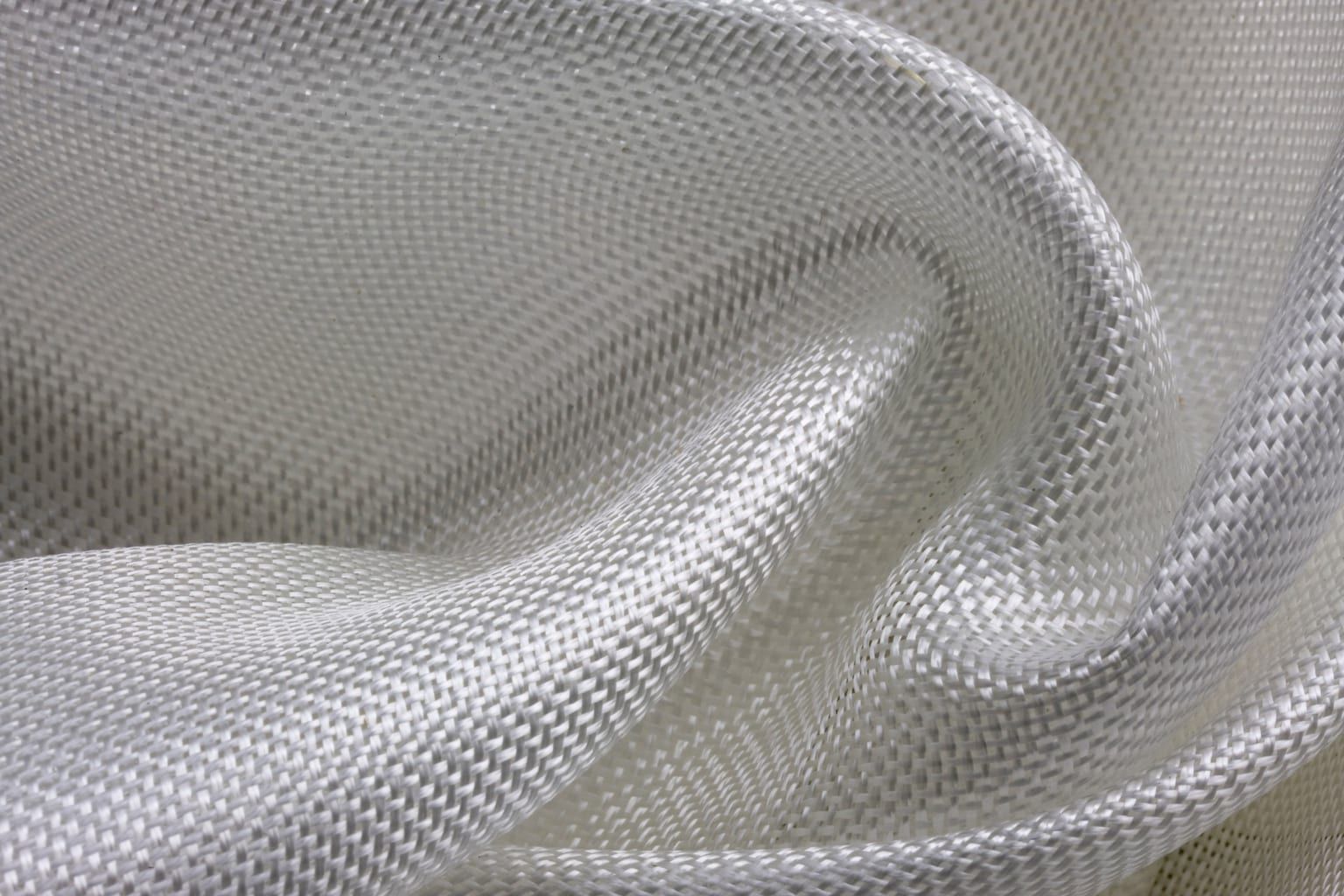
Why choose U.S. Borax for borates for glass manufacturing?
For 150 years, we’ve been a world leader in refined borates. Our technical experts can help you balance cost, quality, and crucial sustainability goals such as reducing carbon footprint.
Pure, consistent, dependable
There’s no room for impurities or particle size variation in glass manufacturing. Our refined borates meet rigid quality thresholds, ensuring you receive product with stable physical and chemical properties. That’s why leading glass manufacturers depend on us for the stability they need to make superior products
Research and development that incites innovation
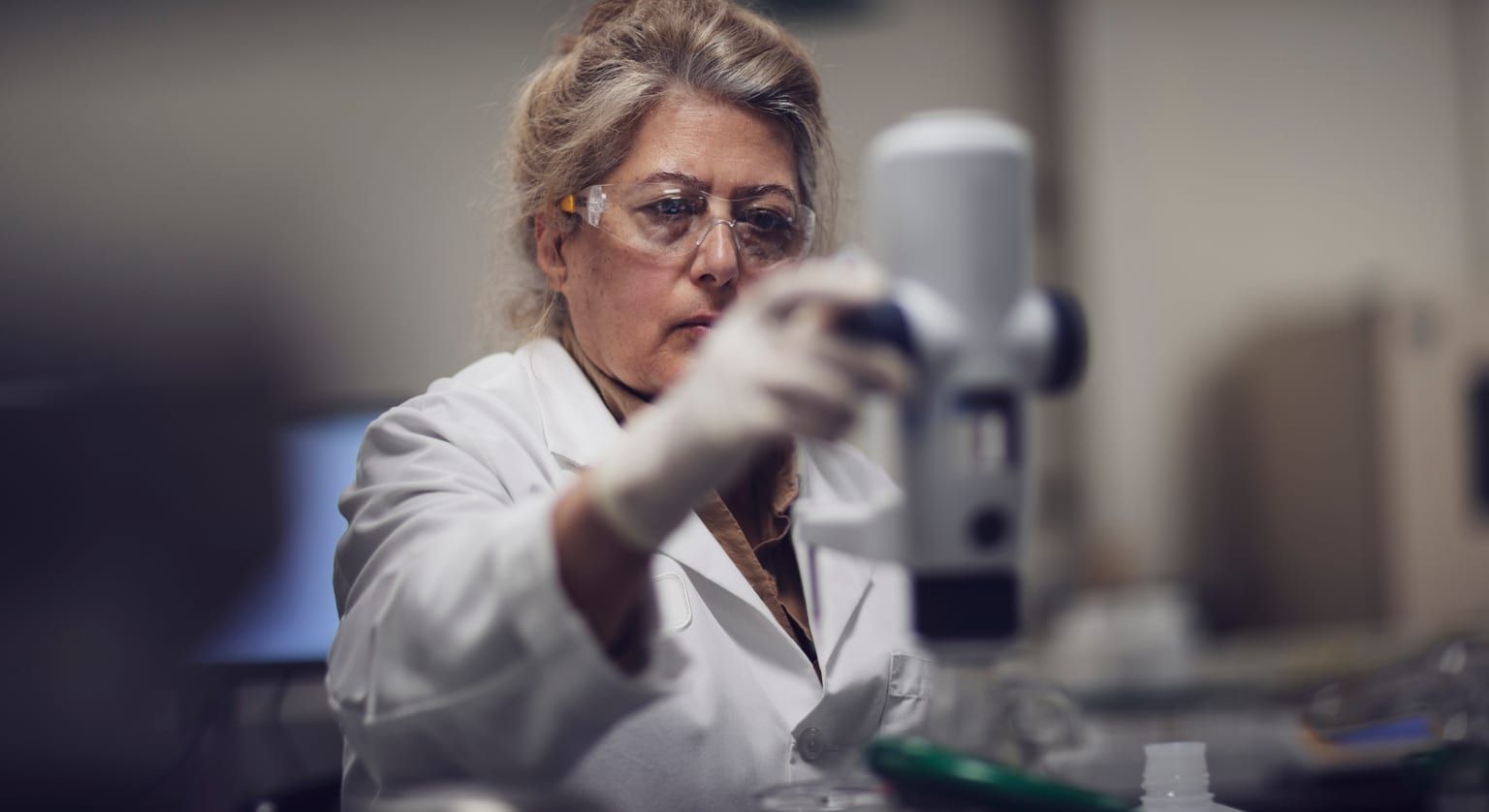
Our technical experts partner with leading global research and development institutes on projects designed to enhance our customers’ products and applications. We’ve continued to build upon our legacy of advancing the use of boric oxide and other boron compounds in glass.
Discover our recent research on anhydrous boron in glass.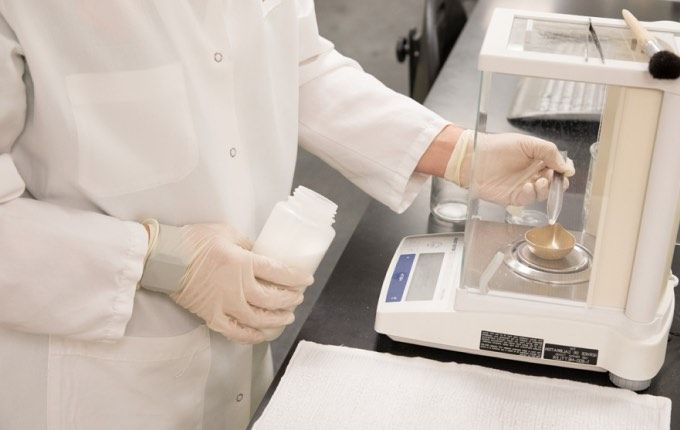

Our sustainability commitment sets us apart from other borate suppliers. We understand your unique concerns such as becoming more energy efficient, lowering harmful emissions, and ensuring your supplier is a responsible producer across environmental, social, and governance factors (ESG).
As your trusted partner, we can supply you with detailed Lifecycle Assessments and emissions data. Using these insights, you can make your glass production more environmentally friendly.




U.S. Borax is a member of: