Renewable diesel
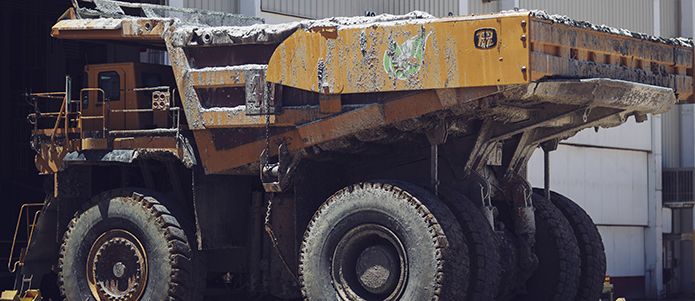
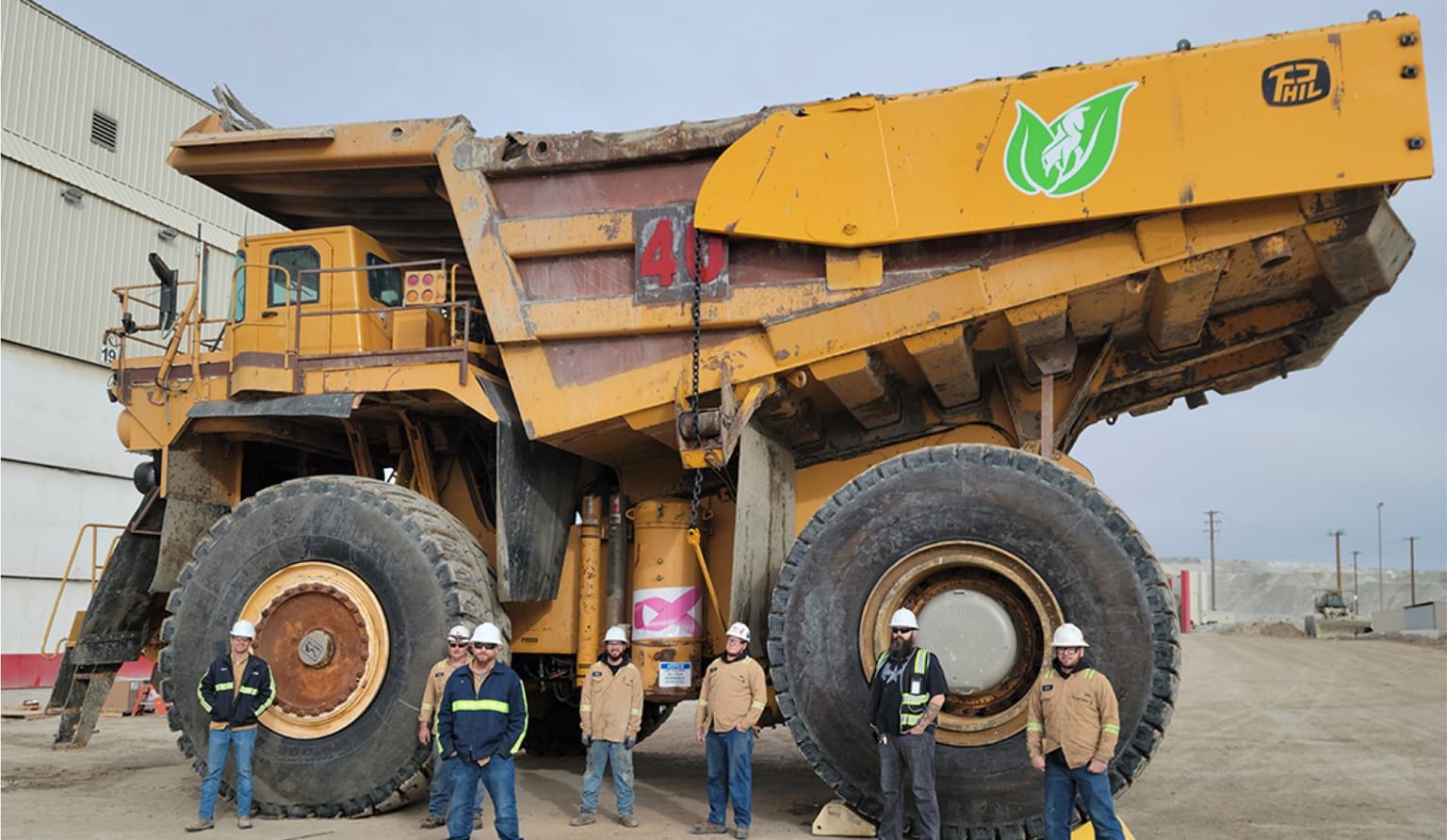
We became the first open pit mine in the world to achieve a breakthrough milestone: Transitioning our heavy machinery from fossil fuel to renewable diesel.
The conversion, made possible through partnerships with Neste and Rolls-Royce, significantly reduces our carbon footprint while upholding performance and reliability.
Biodiversity
We operate near rich landscapes, filled with sensitive biodiversity and vulnerable wildlife species. Recognizing this tremendous responsibility to uphold the integrity of the surrounding environment, we assess and monitor any risks and impacts of operations to the surrounding environment.
Wildlife Rescue Center
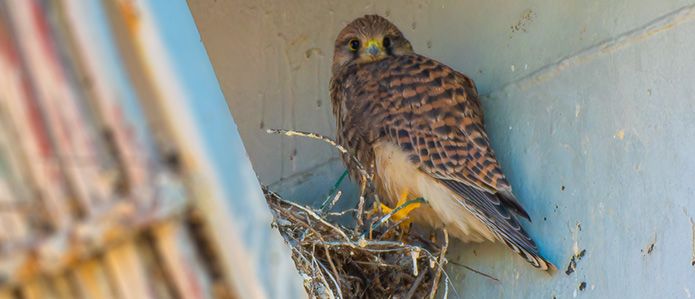
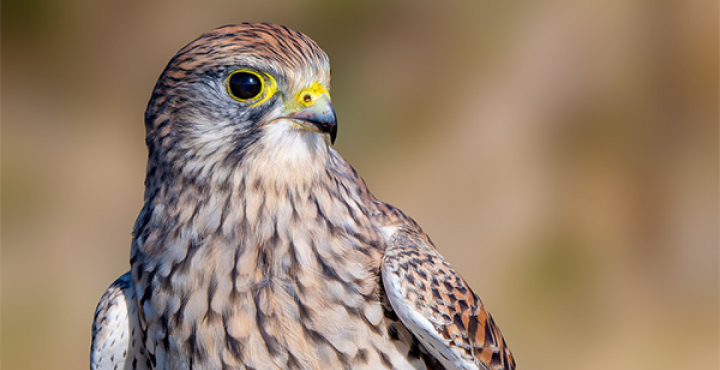
Boron is home to a 950-square-foot Wildlife Rescue Center. Our staff's work revolves around mitigating the impact operations may have on surrounding wildlife and implementing preventative measures.
Drone-based wildlife monitoring.
Rescuing injured wildlife and ensuring they receive proper restorative treatment.
Habitat conservation.
Transparent water insights
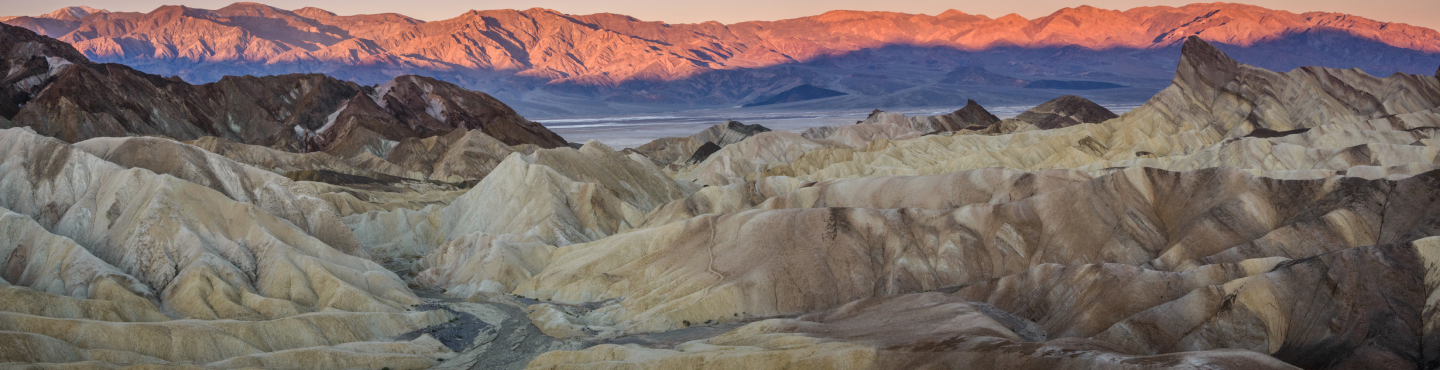
With Rio Tinto's interactive platform, we can share surface water allocations and usage data across U.S. Borax sites. This data transparency is especially valuable because we operate in an environment with changing and volatile water conditions, classified by the WRI Water Risk Atlas under the Extremely High-Risk category.
Land stewardship
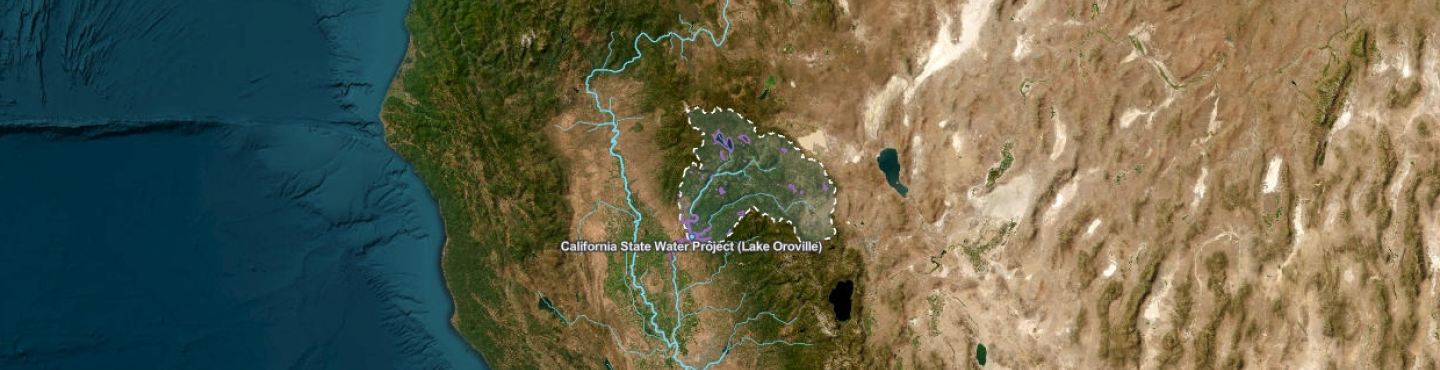
From the company's early days, we’ve been staunch advocates for the creation and growth of Death Valley National Park. Multiple land donations by U.S. Borax has ensured the long-term health and preservation of this unique landscape.
Beyond conservation, we practice careful utilization of our operational footprint. Before expanding, we carefully consider existing space that can be repurposed to accommodate needs.
Did You Know?
In 2010, U.S. Borax donated 110 acres and associated mineral rights to expand Death Valley National Park.
Energy and waste reduction
As the world moves toward a circular economy, we’re finding ways to not only extract the full value from mined borates, but also associated waste.
We reached an agreement with CR Minerals to transform waste materials into pozzolans, which offer a low-carbon alternative to cement in concrete production.