Boron in cleaners and detergents
For more than a century, cleaning solutions have benefitted from borates’ multifunctional capabilities. Their versatility makes them suitable components in a variety of industrial formulations targeting different surface types.
Sourcing high-quality, refined borates or perborates enables you to produce effective and safe industrial cleaning solutions. That’s critical as more industries are demanding cleaning products that lower maintenance costs and reduce health and environmental risks. As a trusted partner across several industries, we can help you find the right product and concentration for your specific application.


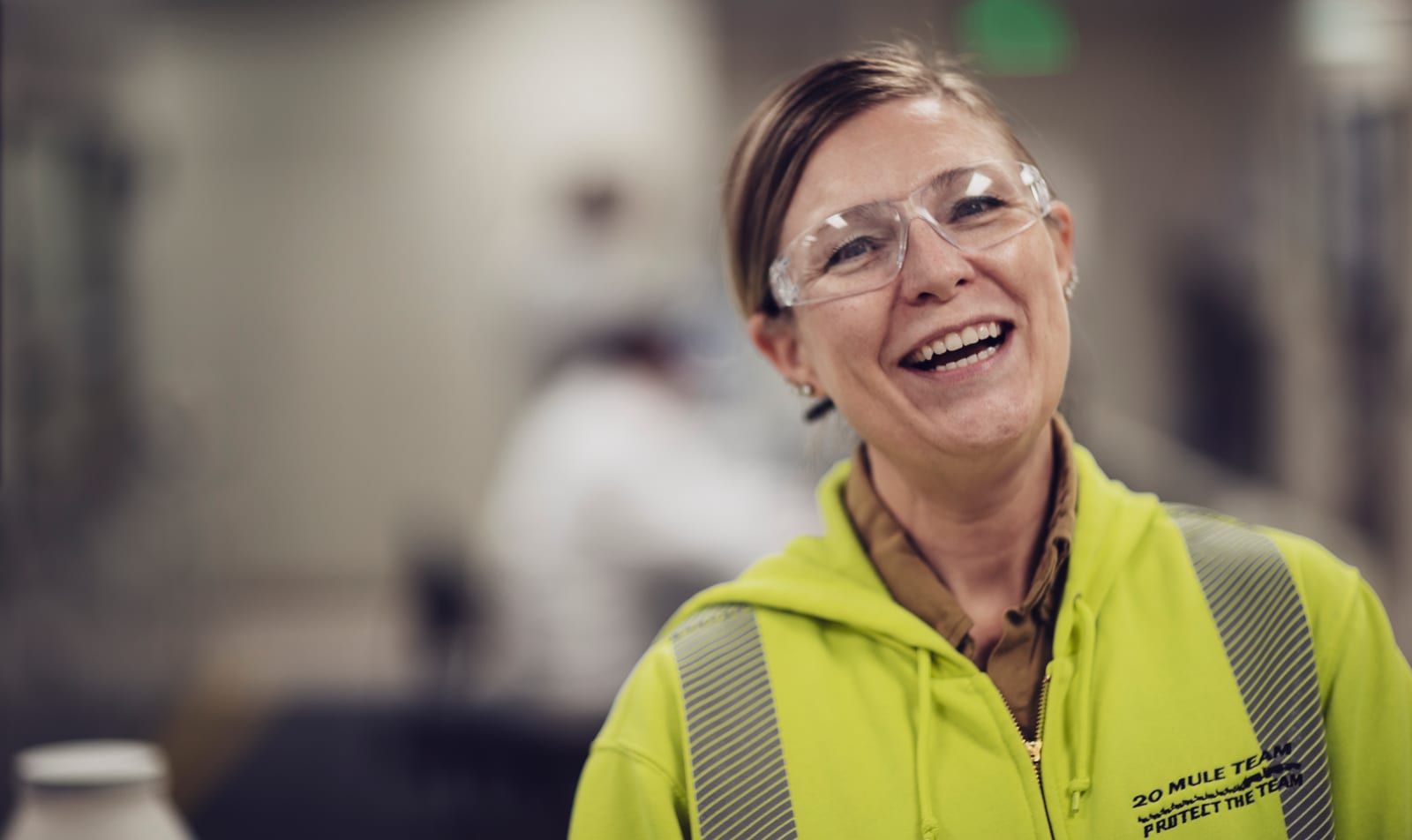
The Dial Corporation acquired U.S. Borax’s consumer products division in 1988. Subsequently, Henkel acquired Dial in 2003. Visit the 20 Mule Team Laundry website to find out more.
Go to the siteBy adding borates to your industrial cleaner formula, you can:
Stabilize enzymes
Boost surfactant performance
Buffer alkalinity
Enhance stain removal and bleaching
Control viscosity
Soften water
Control bacteria and fungi
Easily remove grease, rust, scale, and other particulates
Borates and perborates for metal cleaning
Keeping metal clean is essential for maintaining material integrity. Borates make it easier to maintain metal surfaces by:
Controlling pH
Softening water
Acting as a mild to moderate abrasive
Fighting corrosion and tarnish
By buffering the pH of an industrial cleaning solution, borates break down chemical bonds, increasing the solubility of oils, grease, and other deposits. That makes it simple for you to remove and keep your metal surfaces clean.
Beyond better cleaning power, borates possess anti-corrosive properties. A boric-acid-based solution, such as Optibor® not only removes corrosion, but keeps metal protected with a thin passivation layer.
Read more about how borates clean and fight corrosion in metalworking
Clean hard surfaces with sodium borates (perborates)
Schools, hospitals, and restaurants all share the relentless challenge of keeping hard surfaces clean. People’s health and the functional integrity of equipment depends on cleanliness.
Borates are especially adept when it comes to cleaning hard surfaces found in industrial and institutional environments. Plus, their versatility makes them easy to utilize into your specific formulation.
There are two common types of borate suspensions used for industrial cleaning solutions:
An aqueous borate suspension that’s converted into a hydrogel polymer
A borate-in-polyethylene glycol suspension
By using borates, you can ensure hard surfaces are cleaned right the first time and stay clean longer. That results in significant time and money savings.
Borates for glass cleaning
Need an effective industrial cleaner that’s suitable for a large glass surface area? Use borates for glass cleaning. Borates perform well even if your surfaces are exposed to low temperatures, or your solution uses cold water.
We developed Neobor® especially for use in cold water.
Borates for other industrial cleaning applications
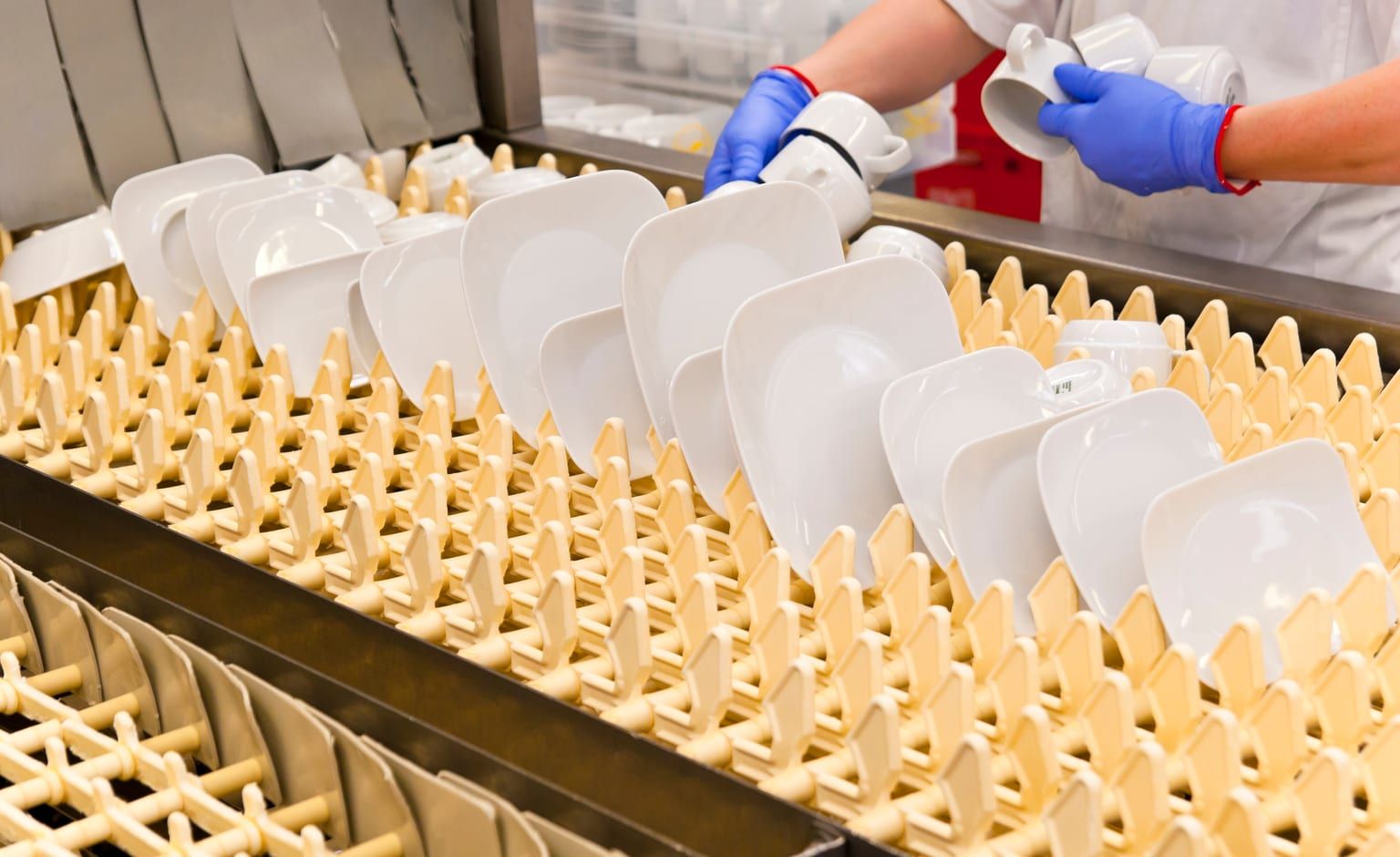
New powder and liquid industrial dishwashing detergent formulations are using borates and perborates as alternatives to traditional additives that could pose environmental and corrosion concerns. Benefits include:
Extended shelf life
Great cleaning properties
Bleaching without chlorine-releasing compounds
Moderate alkaline buffering
Perborates have a biocidal property (EPA registration required)
Unparalleled quality
We’ve been a global leader in refined borates for more than 150 years. Our experience ensures you’ll receive only high-quality products that are effective. That means your formulations will have inputs that support powerful cleaning action.
A rich cleaning history
Borax cleaning powder played a central role in our company’s origin. While we no longer directly sell consumer cleaning products , we’re still globally recognized for our product development and research. Because we introduced borate-based cleaners to the market more than a century ago, our technical team has an extensive knowledge base to draw from. When you partner with U.S. Borax, we can advise you on the right borate product and concentration for your specific cleaning application.